
US microbial products company BioConsortia’s senior vice-president of business development, Sarah Reiter, discusses the firm’s plans in the biologicals sector with S&P Global Energy’s Crop Science team.
Crop Science (CS): What have been BioConsortia’s highlights in terms of biological deals in the past year? Will the business continue looking for collaboration opportunities in 2026?
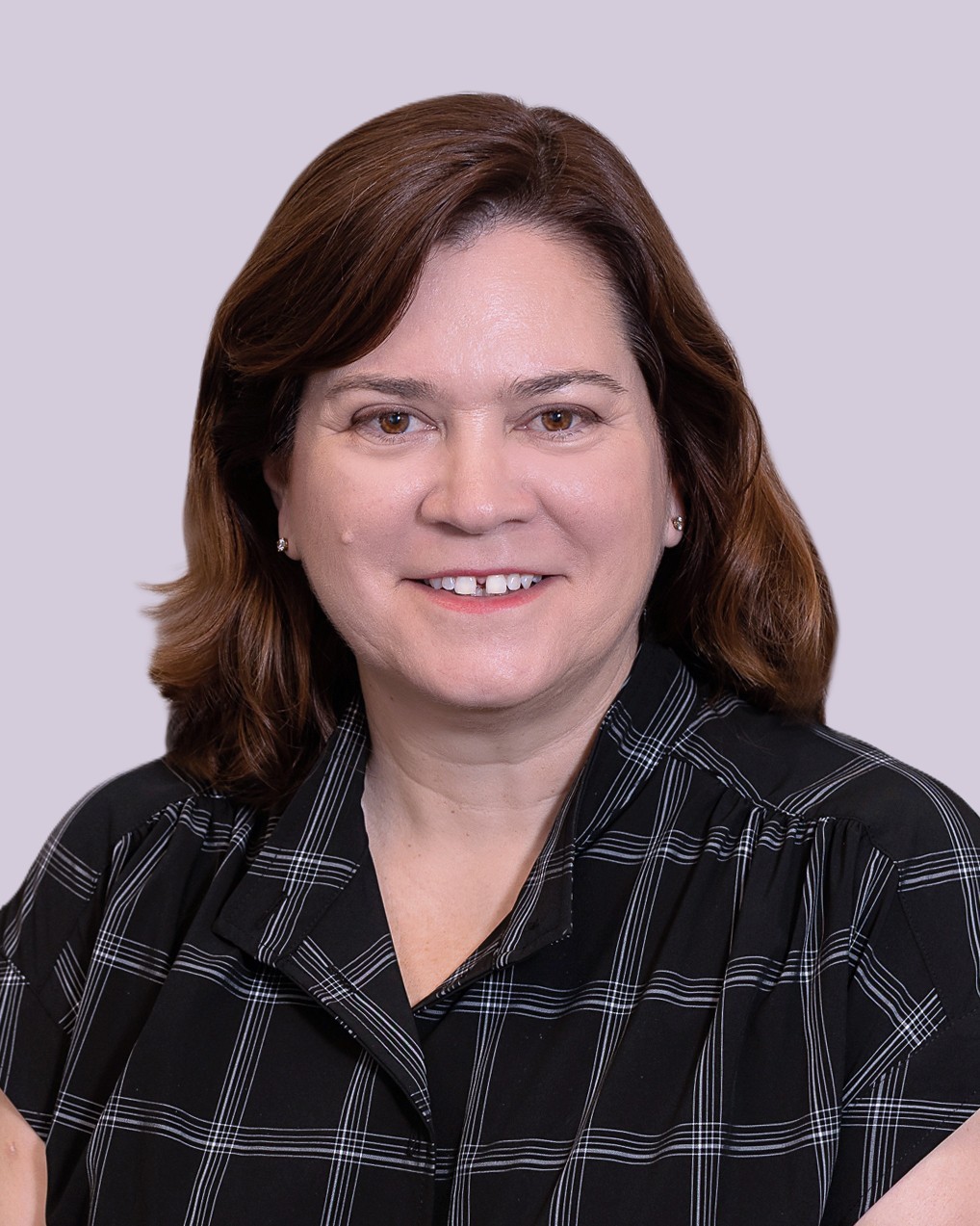
Sarah Reiter (SR): Our business model relies on partnerships. We are exclusively focused on the science side, and we come to market through collaborations. In your conversation with our chief executive officer, Marcus Meadows-Smith, in 2024, he spoke about the company’s partnership with US potassium and phosphatic fertilizer business The Mosaic Company for the nitrogen-fixing seed treatment, AlwaysN (patented strains of Paenibacillusspp). The firm will launch the product in Brazil and the US soon.
We also launched AlwaysN products in New Zealand last year through a commercial agreement with Feilding-based seed business H&T, which focuses on adding value through seed treatments. They have had a very impressive uptake of the AlwaysN technology since its introduction in early 2025. They found strong traction in cereals and in some crops we did not expect, like pasture crops.
Lastly, we signed a biostimulant discovery deal with a company this year, as we continue to ink partnerships throughout the value chain globally, regionally, and locally. We are involved in a slew of deals, from commercial agreements to discovery projects. It’s been a busy year!
CS: You have an ongoing development deal with US non-crop pesticide professional solutions business Envu. How prominently does the non-crop environmental science sector feature within BioConsortia’s operations?
SR: Within our pipeline, our core focus remains on the four ‘Fs’ – food, feed, fuel, and fiber crops. We see Envu as a really interesting partner because they service markets with those technologies that we do not have a lot of insight into. Most of our leadership team comes from agriculture and crop protection, though some of us have spent time in the non-crop science markets.
As a result, it is hard for us to know how to precisely develop high-performing products without insights from partners like Envu. We love those partnerships, and in fact, rely on those across all of the markets we service. We provide the technology with consistent, repeatable performance backed by data and intellectual property (IP), while relying on partners who know their consumers. This includes growers, golf course superintendents, or just someone who is trying to control home and garden pests.
Our partners know their consumers deeply. We rely on their insights to help direct the last stage of development and position it for the market. Envu is a great example of that process.
CS: What new biological products were launched by BioConsortia in 2025? Furthermore, did the company expand to new global markets?
SR: We have previously disclosed a commercial partnership with Nichino America, which is launching our foliar fungicide, Amara (Bacillus velezensis), for the fruits and vegetables market. We hope to expand the product to additional geographies. We also have a pipeline of several biocontrol products, including bionematicides, bioinsecticides, and biofungicides in the form of seed treatments and soil applications. There are certain related announcements from BioConsortia planned for 2026, as we continue to develop new technologies in our pipeline.
Coming to our major markets, we know the US market best as we are headquartered in California. However, we are actively pursuing collaborations in Brazil, alongside investing heavily in the development of our nitrogen fixing and biostimulants portfolio in the EU. We will be targeting cereals, sugar beets, potatoes, oilseed rape, and other crops in Europe. Furthermore, we believe that we have a unique nitrogen fixing strain that performs well in rice that supports discussions for the Asian market. We also have nematicides that are effective in cotton and rice, making Asia a great target market for us.
In all regions that we service, we do it with partners who know the market best. We help them with localization that we have done centrally, while they do field trials to prove that the products fit their markets. Then we collaborate to ensure that the regulatory schemes get completed.
CS: Last time we spoke, you mentioned that BioConsortia has a rich product pipeline, with the focus entirely on developing your own products. Could you highlight some promising solutions that are in the pipeline?
SR: We are very focused on microbials, especially on spore-forming microbes. Our focus is narrow because, as part of their natural lifecycles, our targeted microbials form an exospore as part of the fermentation process. This exospore protects them from degradation in the environment and the packaging, so we end up with products have a very compelling shelf life – usually greater than two years at ambient temperatures. We believe that we have the only nitrogen-fixing products that can penetrate the industrial corn (maize) seeds market because those get treated approximately two years before they get sold to the farmers. The microbe needs to be able to live alongside all the chemistries on the surface of the seed even before it gets in the grower’s hands.
Our core focus makes us the leading gene editing company working with spore-forming microbes. Because we’ve focused, we’ve developed deep skills and proprietary tools that concentrate on looking into the genome of these spore-forming microbes, helping us understand their potential fit as biocontrol products or biostimulants. For markets that are accepting, we then use our gene editing tools to edit those microbes and improve their use. This product pipeline includes nitrogen-fixing offerings, biocontrol and biostimulants for a wide array of crops.
Our pipeline is also very focused on climate impacts. Unlike some other companies that prioritize stressors such as heat and drought, we are focused on cold-related impacts. We have seen a lot of challenges at the beginning of the season, where soil-borne diseases and pests can sometimes outcompete protective microbes because of low temperatures. We believe that our products can improve the crop’s ability to be resilient in the face of cold-climate stress.
Alongside those technologies, we have the most compelling bionematicide pipeline in the industry. We have six products that have all been shown to perform better than those on the market today. And, our pipeline of gene-edited biocontrol products is important because we have seen a lot of chemistries exit the market in recent years. The departure of neonicotinoids from many markets makes the bioinsecticides pipeline particularly compelling. We know there is going to be an emergence of more insect pests, and we would like to be able to bridge that gap with our products. Our scientists are quickly working with gene editing tools to build a spectrum of insect controls that growers need in order to be to be an alternative for the neonicotinoid seed treatments, or even some of the systemic insecticides.
CS: BioConsortia has raised proceeds through a series of recurring financing from its internal investors totalling some $100 million. What are the focus areas for the funding in 2026?
SR: We continue to focus on our research and development. Alongside that, we are beginning to invest more in globalization efforts. As I mentioned before, we are scaling in European markets. We have a regulatory project under way that will get our nitrogen fixers and biostimulants registered in Europe, as well as some new crops, beginning this year. That is super exciting. It is very expensive as well. So, we are building out supply chains and logistic functions. We have increasingly started to need those in the past couple of years.
And we expect rapid growth as we roll into 2026. We expect to grow rapidly beginning this year as we launch technologies that have been graduating from our pipeline in the next couple of years. You should see growth in our commercial, supply chain and logistics teams as they will be feeling the pressure to get our products to global partners who intend to sell them in different markets. To summarize: we continue to invest in our R&D engine and are increasingly investing in the commercialization component.
CS: What role does artificial intelligence (AI) and data-driven agriculture play in BioConsortia’s R&D pipeline?
SR: We continue to evaluate AI, large language models (LLMs), and large data handling tools to see how they can best fit our processes. We analyze a vast amount of genomic data. Alongside that, in our greenhouses, we leverage a plant phenotyping scanner, PlantEye, which is a robot that looks at individual plants to record minor changes. All of this spins out a huge amount of data. We have built a proprietary system called GenePro, which houses all our genomic data. It is used to select strains for development and improvement.
We have a set of proprietary tools that we use for gene editing to ensure our products are efficacious and safe through thousands of field trials. For corn, we have more than 10 seasons of nitrogen fixation field research, combining data collected in northern and southern US regions.
However, the most compelling process we leverage is not AI, but ‘biological intelligence’. The initial part of our funnel starts with a process called Advanced Microbial Selection (AMS), where we basically allow plants to select the microbiomes that best protect against targeted stresses through their own innate intelligence. We take thousands of soil samples in very small pots, then plant a variety of crops into them. By adding stressors like pests, removing nitrogen or phosphate, starving them of water, or putting them under extreme cold, the process makes plants select the microbiome that best protects them. For example, when you start with 1,000 pots, maybe five survive. Which means those five recruited something in their microbiome that protected them from the stressors.
We follow this process by harvesting that microbiome and inoculating the next generation of plants, adding stressors again. We are forcing evolution on that soil microbiome with repeat generations until all plants start robustly growing and have a microbiome that is protecting them from a specific stress. Only at that point do we care what was in the microbiome and identify through our genomics tools what was driving the protective effect. But really, the plants are making that decision. We use data tools to facilitate that work. With new AI tools seemingly becoming accessible on a weekly basis, we are looking at how to deploy various solutions to optimize that performance and give us a faster throughput.
CS: What are the key crops where you see the biggest opportunity for development?
SR: Since we rely on the process I just described to find microbes, there are a large number of solutions that are fit to become seed treatments or be used in soil. We focus on row crops, like corn, soybeans, cotton and rice, but also on vegetable crops like potatoes and tomatoes. Meanwhile, we are increasingly seeing our products fit into crops like pasture and sugar cane. Our nitrogen fixing technologies, which started with corn and soybeans and bridged that gap through to rice and cotton, are making their way into additional crops.
Any crop that struggles to get enough fertilizers is a great target for us. That struggle materializes in a couple of ways. It can come because some places have ecological constraints on the amount of nitrogen fertilizers you can apply, while some markets do not have physical access to all the fertilizers that they could be using to fully optimize yields. Some fields suffer from loss of applied fertilizer because of run-off or volatilization.
Furthermore, as we think about what crops we can serve in the future, we do not see any crops that are outside of our reach. The question for us is: ‘how do we develop tools to make our contributions to those crops as profitable for growers as possible, and as easy to integrate as possible?’ That’s been our focus. We feel like growers are most likely to adopt technologies that don’t force them to change their behaviors. We are, frankly, giving ourselves a huge challenge by trying to make products that can be easily adopted, stored, transported, and used in low volumes to create meaningful profits for growers.
Another challenge is keeping ourselves from expanding too quickly, as we can always expand to more crops and geographies. These are the questions we ask ourselves internally. We are still a small company; we cannot be everywhere. Where should we go first? That is the challenge we face every morning.
CS: Is the regulatory climate for biologicals improving in the EU with its Parliament considering a faster biologicals approvals regime?
SR: EU regulations involving biologicals have been a long-time negative. I am definitely not alone in identifying the EU’s historical rules as being slow. We are hopeful that the discussions at the parliamentary level will result in a biocontrol regulatory scheme that improves pace and enables the EU to keep up with the other regulatory bodies around the world. We have seen good progress from the bloc in the biostimulants space and are hopeful that they can learn from that and see similar benefits for biocontrols.
The US has been operating with a scheme for biocontrols since 1994. The country has really shown the way. Recently, Brazil has accelerated their biologicals regulatory processes. These are places we can all learn from in terms of the way they have advanced the adoption of biologicals innovation by restructuring the regulatory models and by incentivizing it through government investments. It is an interesting time for Europe. I hope that they find their way to maneuver regulations that enable some more pace.
CS: Will the uncertainty regarding the promotion of sustainability in agriculture in the US create problems for domestic crop protection businesses?
SR: I was raised in California. We have water challenges, but we farm incredibly well in a water-contained environment. Sustainability for BioConsortia has always meant making food protection better for the environment, but also for the people who live in and operate those agri-ecosystems. We are very committed to making products, like the Amara fungicide, that offer a safer alternative to chemical pesticides for the people.
We make products that have a better outcome for animals, as well as for aquatic species in our water systems. It’s clear that too much nitrogen is flowing off farmlands and into our waterways, which has a harmful effect. We can do better. We do not feel any pressure to curb that message. In fact, we see an acceleration based on consumer and government behavior in North America, Europe, Asia, and Brazil.
The other factor we care intensely about is families of growers. Farms have to be profitable, whether by improving yield or by reducing costs, and farmers have to be able to survive. That has not changed, it will always resonate. There are market changes that farmers are suffering from, but I am certain that those will work themselves out. We really see an important role for innovation to move past these kinds of changes that are disruptive. That’s the role that we endeavor to play.
What brings us to work every day is that commitment to sustainability, and that has not changed in the 14 years that we have been a company. Furthermore, as our products get into the hands of growers in new markets, they prove themselves to be super inventive and find value in our products in places we could not have imagined ourselves. For example, farmers in New Zealand have found a strong fit for our nitrogen fixing products with legumes, especially with ones that fix their own nitrogen. This was unexpected but we see the value now that growers have made it work. So, we are going to keep focused on that sustainability commitment
CS: What are the implications of the new Biologicals Law in Brazil for global crop protection companies? Do you see other global regulators following suit?
SR: Boy, I hope so! I hope it leads to other regulators following suit. The Law was designed to treat biologicals differently from traditional pesticides and fertilizers. That makes sense because they are different from conventionals – they have unique characteristics, production methods and a reduced risk profile. The Law seeks to reduce complexity while maintaining safety. None of the safety standards were diminished, but the complexity of compliance was reduced. That was incredibly insightful on Brazilian regulators’ part.
What we at BioConsortia, and I suspect the larger industry, like about the regulations is that there is a lot of clarity in the rules. The new law is predictable, understandable, and clear. For those that are bringing products under Brazilian regulation, that clarity is hugely important and highly beneficial. We have certainty about the process when we make investments in our innovations. We know how they are going to go through those processes, the exact data we need to deliver, and how regulators are going to approach our products. Ambiguity in other parts of the world results in a very challenging investment premise. So yes, I hope the rest of the world follows the move.
The US had historically led the way in these developments with unique biocontrol regulations that had been very successful. However, I think it has started suffering from the success, in that there are too many products coming through the regulatory pipeline, while it is a little backed up unfortunately. We hope that, as the US government continues to focus on ‘Making America Healthy Again’, that extends to accelerating the EPA’s Biopesticides and Pollution Prevention Division’s (BPPD) biocontrol pipeline for better efficiency and we can get products regulated according to the legal timelines.
CS: To what extent does the global tariffs’ volatility impact the biologicals sector compared with its conventional counterpart?
SR: The biologicals sector is huge and diverse, covering everything from minerals to plant extracts. Our company focuses on microbials, so I’ll answer from that perspective. In our case, we do not own our own capacity, we toll everything we produce. For us, we have always employed a model where we are manufacturing in the US initially. Then, when we open to another market, sales will be based on products that we moved there from the US. That is what we are doing with New Zealand. But very quickly, the economics of shipping a large quantity of materials, which could be made locally, stops making sense.
Beginning in 2026, we will be tolling in various countries. What’s great about that is that there are fabulous tolling providers in Australia, Brazil, China, India, and Europe. We see ourselves as well-served by manufacturing tolling and fermentation partners. We will continue to look at what the tariff implications are for some of the ingredients that become our products.
The microbial strains we manage are proprietary. We manage the actual microbial strains themselves, but we rely on carbohydrate sources and energy to make our products. As a result, we are continuously evaluating our access to and the costs of carbohydrates and energy. Those two things are directly correlated with how much our products cost to make, and therefore, to our profitability and the prices at which we sell downstream.
The last thing we are increasingly aware of these days is currency changes. The US dollar has been moving up and down recently. We keep track of currency as an implication to our profitability as well.